
How to Elope in Colorado: Everything You Need to Know
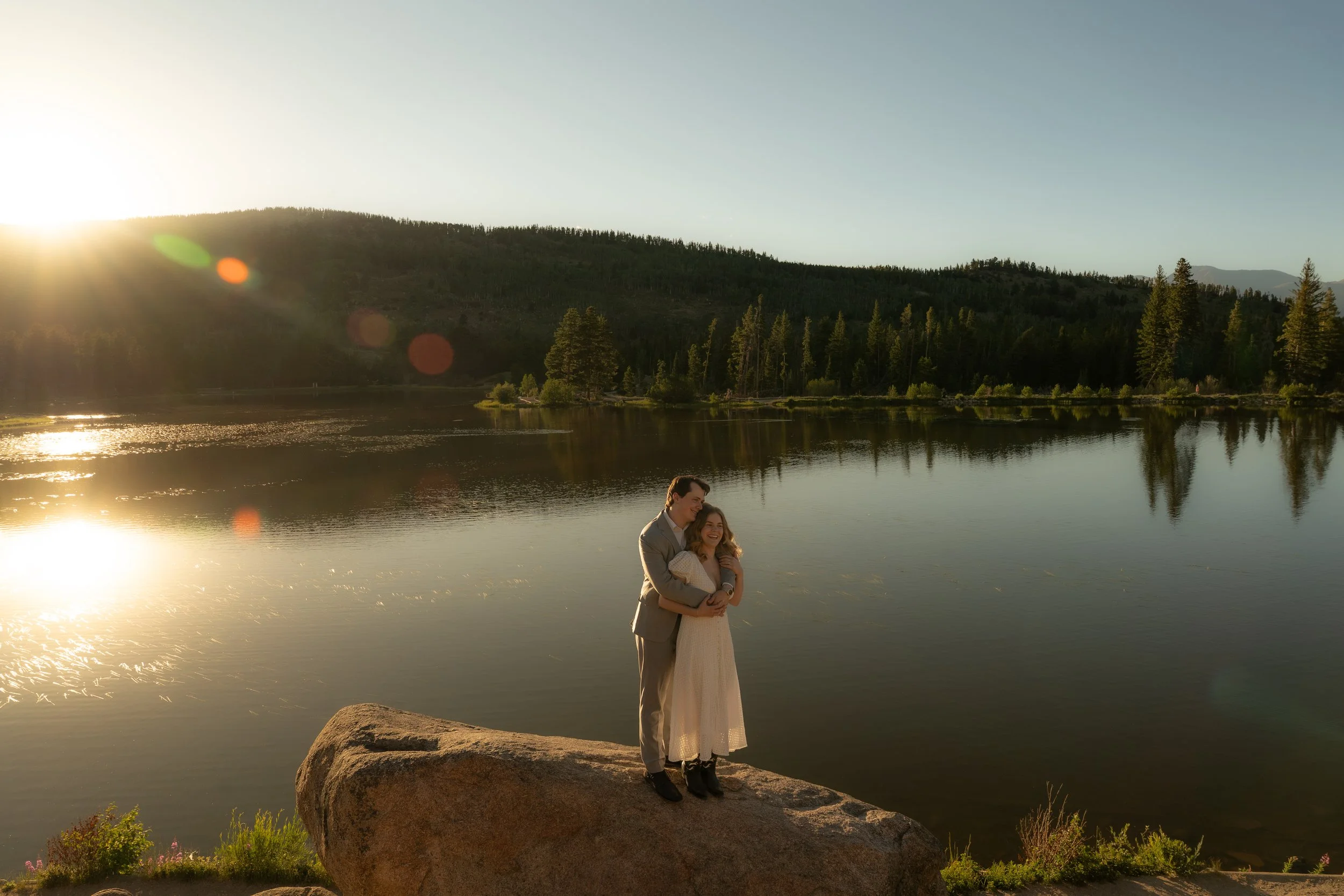
Eloping is such an exciting option because you can create a wedding experience tailored exactly to what you want. However, the beginning stages of planning can feel overwhelming when you’re starting from scratch. If the idea of exchanging vows in the mountains of Colorado makes you giddy but you’re not sure what step one of getting there looks like - this blog is for you. Let’s break down what you need to know about eloping in Colorado.
Colorado is one of the most elopement friendly states making it a popular destination for those looking to have a wedding without jumping through a lot of logistical hoops. This is for two main reasons.
Reason 01: No Witnesses Required
Colorado allows self-solemnization, which means you can legally marry yourselves without an officiant or witnesses. After your ceremony, you and your partner simply need to sign your marriage license and return it to get recorded for public record (more on this later). However, if you choose to include an officiant in your ceremony for spiritual or personal reasons that is absolutely an option - just not legally required.
Reason 02: No Waiting Period
You can get your marriage license and get married on the same day should you choose. Once your license is issued, it’s valid for 35 days.
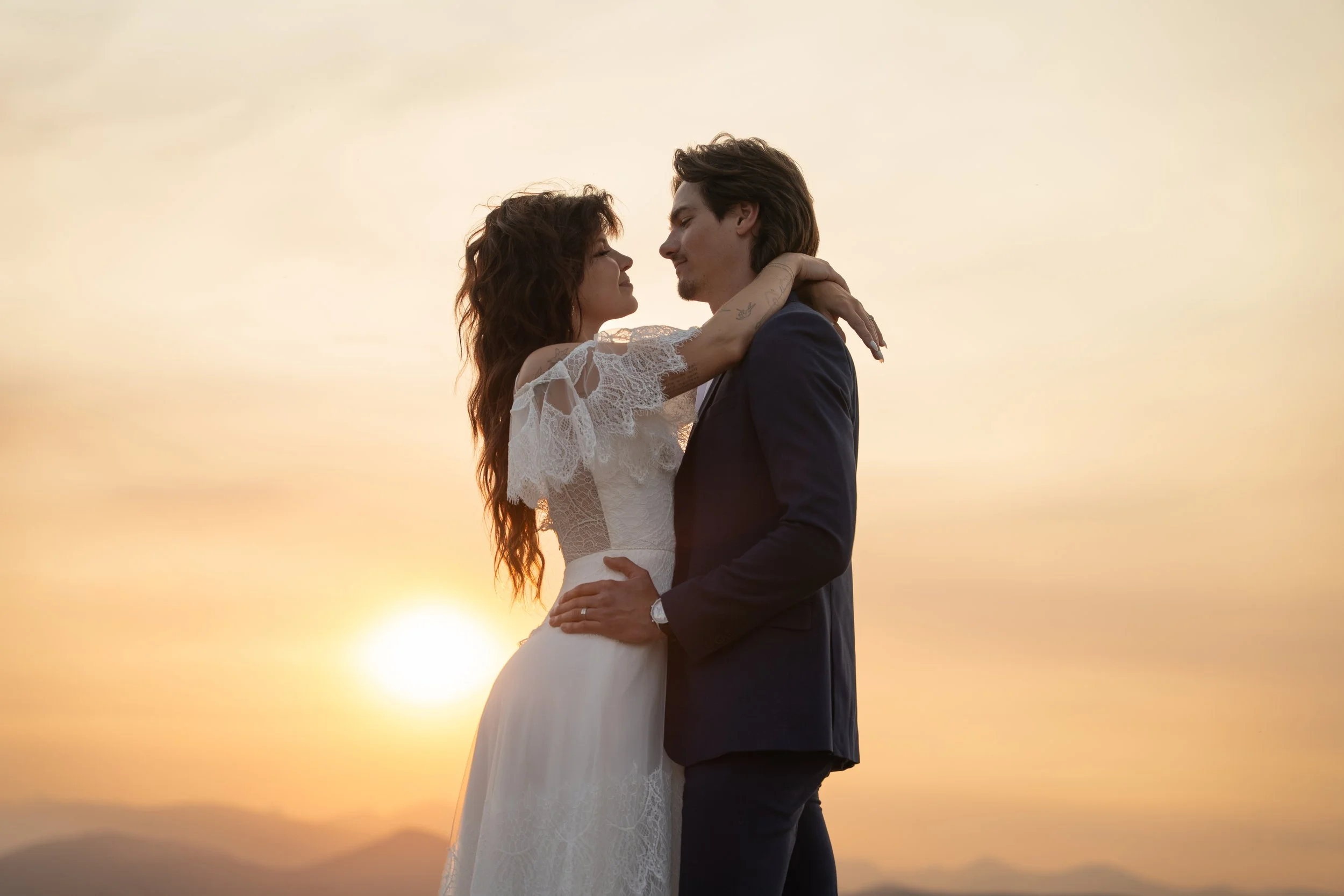
How Do We Get A Marriage License in Colorado?
1. Apply for a marriage license through any of the Colorado county clerk’s offices.
You can get your marriage license in any Colorado county. It doesn’t have to be the county where you’re exchanging vows. If you’re traveling from out of state, choosing a county near the airport for your appointment might be easier before heading into the mountains.
2. Schedule an appointment.
While it is not required at every county clerk’s office, it’s always best to have the reassurance that you’ll be seen the same day rather than chancing your luck as a walk-in. Appointments are easy to schedule online and usually don’t take longer than 15 minutes.
You and your partner will need to show up together and bring the following:
Valid photo ID (driver’s license or passport)
Birth Certificate
Social Security Number
Your parents’ full names + birthplaces
If previously married: details about divorce date & location (some counties may require extra documentation in certain cases so double check the requirements online beforehand).
3. Return your Marriage License for Recording
After your ceremony, return your signed marriage certificate back to the county clerk’s office you applied through so it can be added to the public record. Each county tells you exactly how and where to return it (ex: in person vs mailing it in). Please look up the requirements for your specific county in advance to avoid any late fees.
Common Questions:
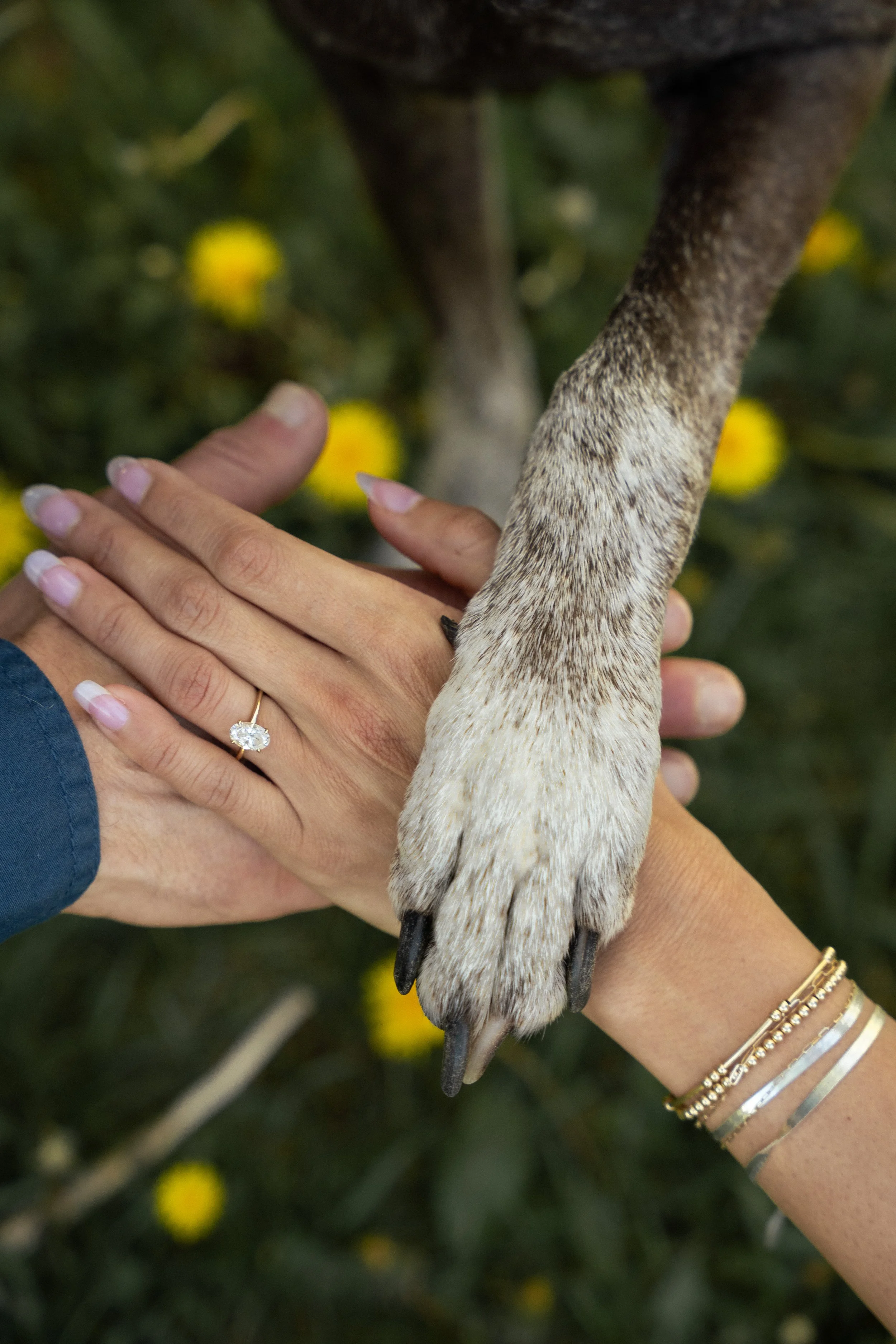
Can my dog sign as my witness on my Colorado marriage license?
Legally speaking, not exactly. That’s because Colorado doesn’t require witnesses to be legally married. The only two signatures required on a marriage license are yours and your partner’s.
Some couples choose to have their dogs participate on a certificate keepsake as opposed to the official document. That said, some county clerks are totally fine with a paw print as an extra non-legal addition. If having your dog on your certificate is important to you, I strongly recommend looking up the most recent policies for the specific county you plan to file to ensure there are no issues when submitting your license.
Examples:
Denver: paw prints are NOT allowed.
Gunnison County: pets can be a witness, but they must “sign” with their stamp.
Larimer County, Jefferson County, San Miguel County, and Ouray County allow paw prints as a witness option (as of Aug 2026)
How much is a marriage license cost in Colorado?
The cost fluctuates slightly from county to county but on average a marriage license is $30.
When is the best time to elope in Colorado?
The short answer is any time! It just depends on what you’re wanting as each season offers something different.
Summer: Wildflowers, longer daylight, easier road access
Fall: Fall foliage, less crowds, cooler temps
Winter: Snow shoeing, hot springs, fewer permits required
Spring: Afternoon showers, dramatic skies, less crowds
Can I elope in a National Park?
Yes. You can elope in all 4 of Colorado’s National Parks: Rocky Mountain, Great Sand Dunes, Mesa Verde and Black Canyon of the Gunnison.
Do I need a permit to elope?
The short answer is it depends on where you’re eloping. Each location has its own rules and regulations which I can help you navigate.
You’ll more than likely need a Special Use Permit if:
You’re exchanging vows in a national park
You’re using a designated ceremony site
You’re bringing guests, chairs, arches, or decor
Start Planning Your Colorado Elopement
Taking the first step in planning your elopement can feel a little overwhelming. The good news is that you don’t have to do it alone! I’m here to help and support you, from navigating permits to helping you feel comfortable in front of the camera. If you’re ready to say yes to a wedding experience that feels easeful and authentically you, then I’d love to hear from you.
Fill out my contact form to get in touch, and let’s start planning your dream elopement.